Over the last month, I have been preparing to send the proposal and opening chapters of my book out to agents and independent publishers, and have been reflecting on the process of how our writing meets the world.
I’m aware that my journey to finding readers for my book is particularly idiosyncratic, but as a teacher of writing, I have long encouraged my students to see how it is in the specific and the particular that we so often locate the universal. So I am sharing an update on my process to publication here.
A brief summary of the story so far: in February 2021, I signed a contract with Repeater Books, an imprint of Watkins Media, to write a book about schools. It took me four and a half years to complete (significantly longer than expected, but that’s a post for another day…!), and I delivered the manuscript in May 2025. It was due to be published that November.
However, I barely had time to think about what it would mean for my book to be published, because just a few weeks later, I was invited to join the Boycott Watkins campaign after it was revealed that the Watkins CEO had investments in an Israeli AI technology company that collaborates with the IDF.
I signed up without hesitation. It was the summer of 2025 and Gaza was starving. There was simply no way I could countenance even a penny of profits from my work being reinvested in Israel’s genocidal war machine.
Though I did not know it then, it would take a twelve-month battle for me to get the rights to my book back so I could publish it elsewhere. Whilst I had neither regrets nor doubts about the political decision I had made, the creative and psychological toll I paid during this period was high nonetheless.
My book was incredibly precious to me. I had devoted years of my life to it, and it contained a story I urgently wanted to tell. When the rights were withheld over this prolonged period, I experienced a dizzying loss of agency. It felt both like an invasion of something deeply intimate and as though a part of me had been encaged.
So to do what I felt needed to be done politically, and to cope with the possibility that my book might never be published, I had to tell myself a different story about my work: that the writing wasn’t very good anyway, that this was all a big fuss over a stupid little debut book that no one would even care about, that the political decision to join the boycott was far more important than anything else, and that it didn’t matter to me whether the book was published after all.
The story I told myself protected me over the twelve months of the battle to get the rights back, but once the book was mine again, the unintended damage this story had done came to the fore. Yes, I had the rights back, but I was now plagued by a sense that I didn’t, in fact, want the book in the world.
I started sending my book out in a scattergun way to agents and publishers this summer, not thinking carefully about how to advocate for the book I had written, but almost flinging it around saying, “D’you want it?” as if I didn’t care whether the answer was yes or no.
I don’t know whether my inability to advocate wholeheartedly for my work has contributed to it not yet being picked up, but I’ve come to realise that in order for my book to be published, the writer and the encourager of the writer must start working hand in hand.
I am deeply grateful that my inner champion doesn’t feel so distant, because I spend my working life playing this role for the writers who come to my classes, work with me 1:1 or come on retreat.
I realised that I wanted to reach a place where I could hand my book to people saying: I love this, I believe in this, I really want it to be read because experiencing it and then writing it has served me and changed me, and I hope that it might serve others too.
Because I have been struggling to be this champion for myself, I have kept photographs of Barbara Kingsolver, Dolly Parton and Tony Benn open on my laptop, so that when I’m wavering and wobbling, I look at their open faces and kind eyes, and imagine it’s their voices cheering me on rather than mine. I have to say, they make a pretty stellar team.
I have since reread my book for the first time since I joined the boycott last year, and I have felt encouraged by what I read.
It feels very special to witness the younger version of me: the 24-year-old, idealistic, naive and sometimes reckless teacher, the rule-breaker passionately trying to change the system from within, with a cast of inspiring young people and colleagues by my side. I can see my own messiness and my own magnificence, and the extraordinary resilience it took to teach for nine years in school conditions that repeatedly tried to constrain our will to flourish and thrive.
Now, I am doing my best to capture the spirit of my book in the proposal and the chapters I will be sending out to agents. Yet at the same time, I know that when it comes to publishing, there is no guarantee.
The publishing industry has brought us so many wonderful writers, and I am glad to be alive at the same time and reading the work of Max Porter, Claire Keegan, George Saunders, Arundhati Roy, Barbara Kingsolver and Miranda July. But it is also fickle, prone to the vagaries and fashions of the market, and there will always be many more talented writers unpublished than those who will be read.
For that reason, I have given myself until the end of the year to find representation or publication through traditional means, and if that does not bear any fruit, I will crowdfund a people-powered publishing campaign. I feel truly open to both prospects: having my book published traditionally and finding creative, alternative ways to bring it to the world.
I believe in my book and the small contribution it could make to transforming the school system, and to showing the ways that people find freedom and joy and aliveness despite conditions designed to hem us in. I am determined to bring it somehow to the world.
Although it feels vulnerable to share the journey in this way, I am placing faith in the possibility that I am not alone in these experiences, and that naming them and sharing them not only makes things easier to bear, but also tends the seeds of collective change.
I’m excited to keep readers of this newsletter updated about how I get on!
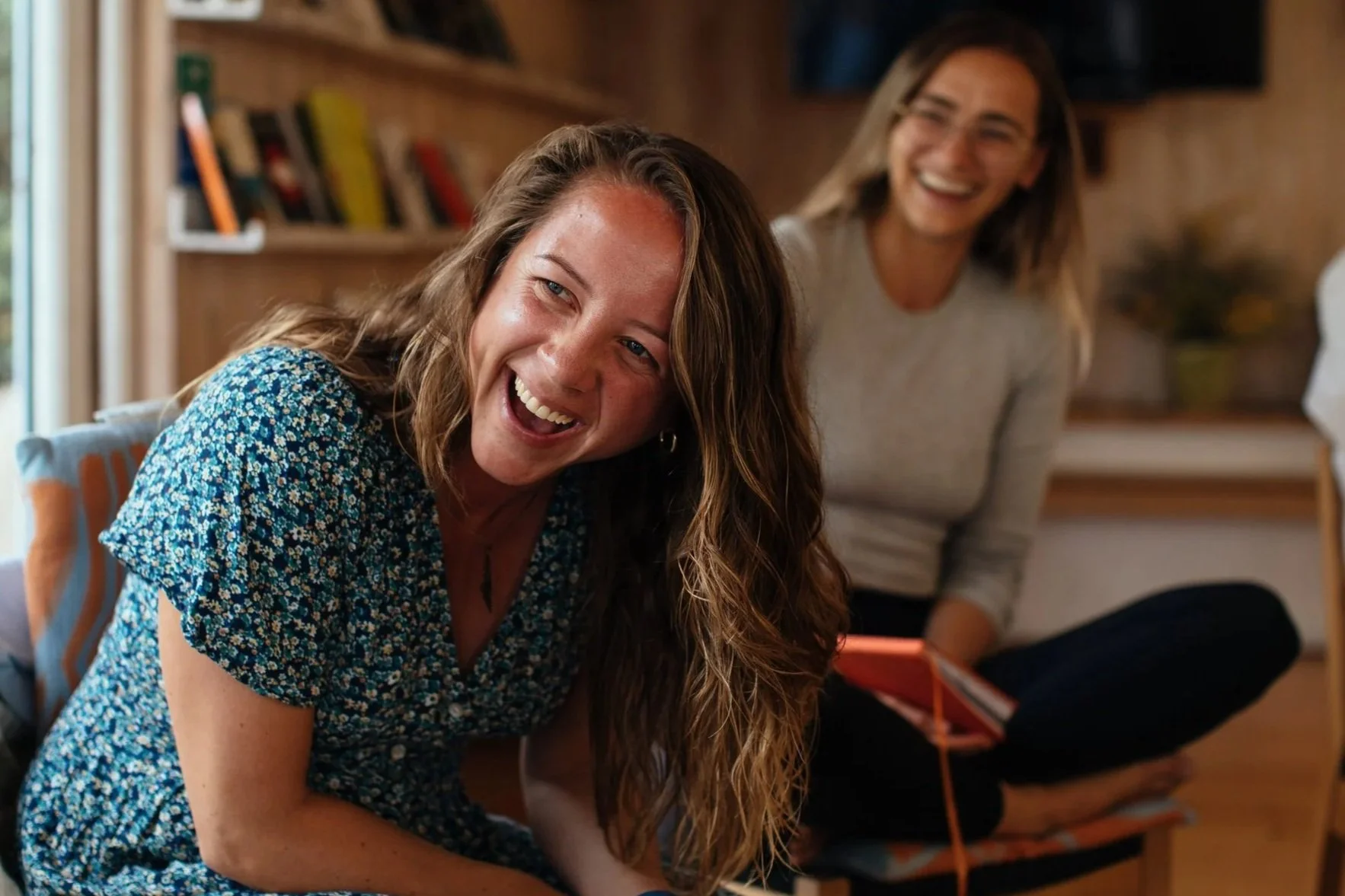
Hello, I’m Holly.
I offer creative writing retreats in Pembrokeshire, online writing groups, book mentoring and editorial support.
I’d love to hear from you. If you have any questions about how we might work together, please get in touch using the form below.