How to Start Writing Again After a Long Break
For the last 12 months, I have been struggling to write. If you’re trying to start writing again after a long break, you’ll know that finding your way back to the page isn’t always straightforward.
In August 2025, I became a signatory to the Boycott Watkins campaign, and have spent much of the last year fighting to regain the rights to the book I spent four and a half years writing.
Having the rights to my own creative work withheld has been a dizzying loss of agency. I have felt the ramifications across many areas of my life.
But writing can be one of the most profound acts of freedom available to us; there’s a reason why so many imprisoned people write. I am therefore trying, slowly and patiently, to find my way back to the page.
To get started, I’ve been thinking about what sustains my yoga and meditation practices, both of which support me in navigating stormy seas. I’m trying to take some of those same principles and apply them to my creative life, so I have a little more of a map to guide my way.
I’m sharing them here in case they might be useful to anyone else trying to start writing again after a long break.
1. Set an intention
I am a meaning-seeker, and it’s important for me to have a good enough answer to the question: why?
My intention for 2026 is to cultivate joy. I have a lot of resistance to this, both in my life and creatively, but I’m trying to stick with it. Resistance is usually fertile terrain.
Your intention doesn’t need to be to finish a book, get published or write a certain number of words. After a long break from writing, it might simply be to rediscover what you enjoy about writing in the first place.
2. Seek out wise teachers
I believe in teachers and teaching, and that we do not have to do hard things alone.
Right now, I am attending classes with spoken word poet Kate Ireland, who, as well as being a very talented artist, is a phenomenal teacher. The qualities I look for in any teacher are commitment, encouragement, flexibility and hard-won wisdom of their own.
Sometimes we need another person to help us find our way back to our work. A good teacher can provide encouragement, structure and perspective when those things are difficult to find alone.
If you’re looking for individual support with your writing, I offer one-to-one writing mentoring for writers at different stages of their creative lives.
3. Find community
I feel truly blessed that I teach writing for a living, and so am surrounded by inspiring writers all the time. But I also need places to bring my own work and the support of creative friendship.
I have a wonderful peer-led group in Bristol. It takes some energy to sustain, but over time, it is worth it.
Writing itself might be solitary, but I don’t think our creative lives have to be. Being around other people who are making things can help us keep going, particularly when our own confidence or momentum has disappeared.
My online creative writing groups offer this kind of regular structure and community for writers working across fiction, creative nonfiction and poetry.
4. Be inspired
At the moment, I am going to the cinema twice a week and reading a lot. I recently read Arundhati Roy’s memoir Mother Mary Comes to Me and wrote 1,000 words inspired by a single line.
When I’m struggling to write, I’m learning that I don’t necessarily need to stare harder at the blank page. Sometimes I need to go out and fill the well. Read. Go to the cinema. Look at art. Listen to music. Walk somewhere new.
Allow yourself to inhale the work of others. When you exhale, your own creativity will come out changed.
5. Practise tender self-compassion
So much about life under capitalism interrupts and distorts our creative lives. So many people wish they had more space and resources to be creative, and so much talent is routinely wasted.
We really are not alone.
I try to talk to myself kindly about the long break I’ve had from writing. My experience is that punishment and shaming do not work.
If you’re trying to start writing again after months or years away from the page, I think it matters that you begin from where you actually are, rather than punishing yourself for where you think you should be.
6. Practise fierce self-compassion
Sometimes, though, I do just need to tell myself: come on, it’s time to work now.
As my yoga teacher says, just get on the mat. One sun salutation is practice. So is writing 500 words. Sometimes I just need to do it, and the voice telling me that can come from a wise and supportive place.
Tender self-compassion says: it’s understandable that this is hard. Fierce self-compassion says: and now, let’s begin.
Finding your way back to writing
I’m discovering that starting to write again after a long break is less about forcing myself to become the writer I was before and more about creating the conditions in which writing might become possible again.
For me, that means setting an intention, seeking out wise teachers, finding creative community, being inspired, practising self-compassion and, sometimes, simply sitting down and doing the work.
Sometimes it can also help to step away from ordinary life for a while. My writing retreats in Pembrokeshire offer dedicated time and space to write, rest and reconnect with your creative practice. You can also see all upcoming writing retreat dates.
If there are other things that have supported you back to writing after a long break, I’d love to hear them. Perhaps we can pool our wisdom for finding freedom on the page.
If you’d like more reflections on writing and the creative life, alongside news of upcoming writing groups and retreats, you can join my mailing list below.
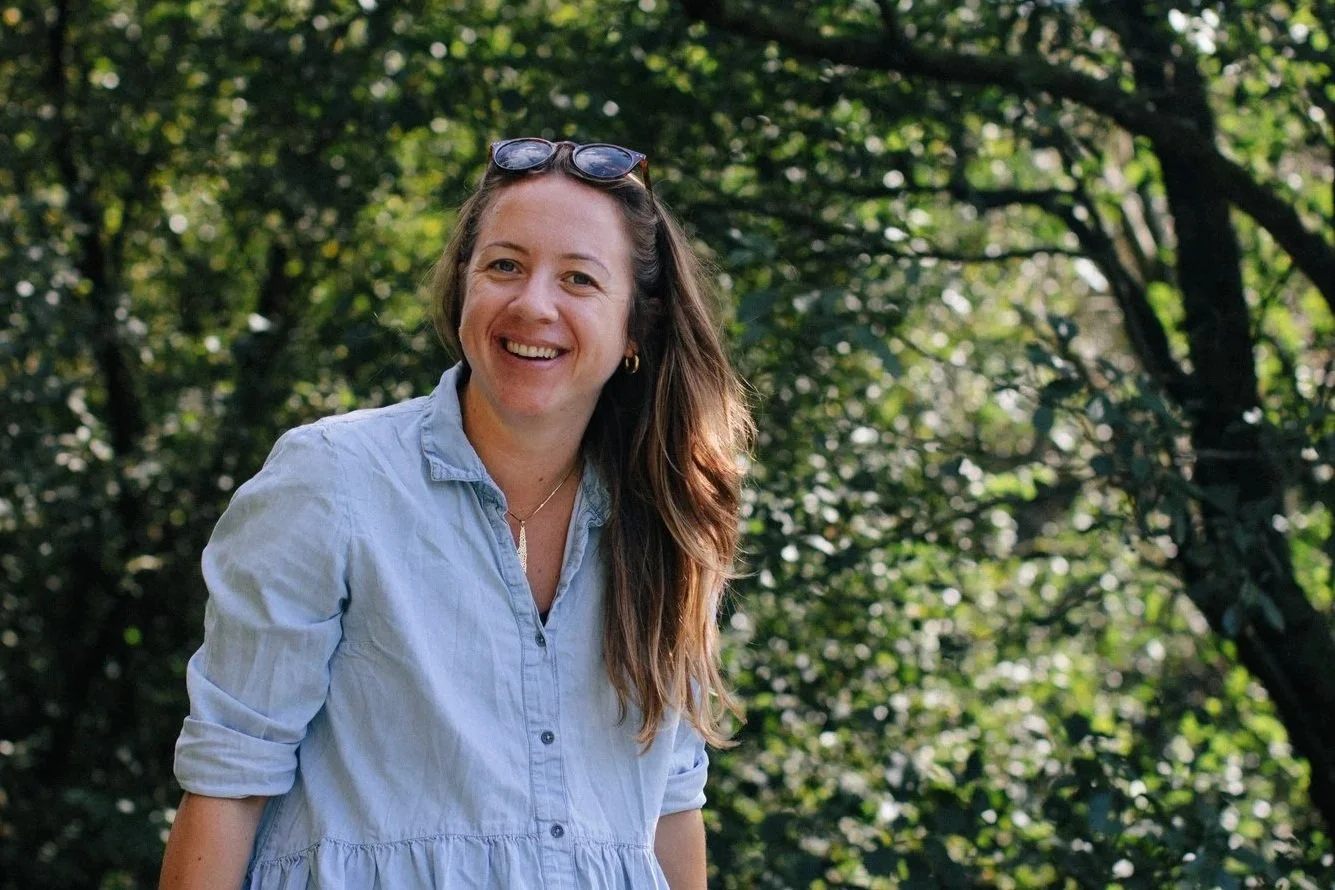
Hello, I’m Holly.
I offer creative writing retreats in Pembrokeshire, online writing groups, book mentoring and editorial support for you and your writing.
I’d love to hear from you. If you have any questions about my retreats or how you can work with me, please contact me below.